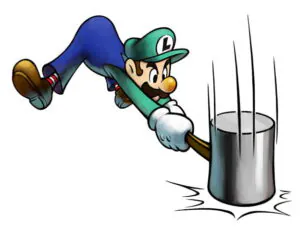
 “When the only tool that you have is a hammer, all your problems tend to look like nails.”
We use cookies to improve your experience on our site.
By using our website, you agree to our use of cookies. Find out more information on how we use cookies, view our privacy policy.




Is there a difference between influencing and persuasion? Who cares? As long as we get others take action, what’s the difference? I’m asking because I believe that understanding the difference can help you develop as a leader. Let’s shine the spotlight on the two definitions.
the power to change or affect someone or something : the power to cause changes without directly forcing them to happen
to cause (someone) to do or believe something by asking, arguing, or giving reasons
Influence is an indirect approach. Persuasion is direct.

As the self-proclaimed Grill Master of our household. I’ve learned the importance of knowing the difference between direct and indirect cooking. There is a time and place for both methods. It’s usually an easy choice that depends on the circumstances. You don’t use the direct approach for a turkey. Charcoal cooked steaks are when cooked directly over the red-hot coals. When it comes to choosing how to cook our ideas with others, leaders don’t think about their choice of approach. Do you?

In your efforts to lead the thoughts and actions of others:
My answer is the same as it is for grilling: It depends. How effectively do you choose the best approach for the situation at hand?
How time sensitive is your need to act? When time is of the essence, a direct approach can be the best choice. When winning the war is more important than winning any one battle, influencing is more effective. Leaders typically choose their approach intuitively without thinking about the choice.
The answer is yes. They fall into both categories. You will be more aware of how you choose between the two. And you will discover a valuable leadership growth opportunity.
Are you more task orientated or people orientated? Your style preference will effect your tendency to choose either persuading or influencing. Leaders with strong task orientation are more inclined to choose a direct persuading approach. Conversely, leaders who are people orientated are more likely to use an influencing approach. With either leader, their personal style can blind them to what the situation demands. What is your tendency?
“When the only tool that you have is a hammer, all your problems tend to look like nails.”
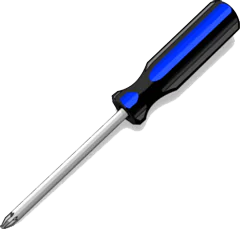 This applies to our over-developed soft skills.
Which tool are you more comfortable using? To what extent does your comfort and experience with that tool influence your choice to use it? Will it be your hammer or your screw driver? Just because it’s your favorite tool, doesn’t make it the right choice. Armed with that self awareness you will begin to make better choices.
We all know how to acquire hammers and screwdrivers. Those are just the metaphors here. Where to you go to understand and develop your use of these essential leadership soft skills?