



We use cookies to improve your experience on our site.
By using our website, you agree to our use of cookies. Find out more information on how we use cookies, view our privacy policy.

This post is the follow up to Extroverts Leading Introverts which explored the reverse scenario.
If you gave yourself an extrovert rating of 7 or higher…
Notice I did not ask if you are or are not an introvert. Introversion and extroversion are not binary traits. There are degrees or levels and different flavors of each. As with so many labels today, there is danger in using these terms indiscriminately. It’s more helpful to think of these concepts as continuums.
And these continuums are more insightful when we break down introversion and extroversion into the two categories (or flavors) below:
So we have two flavors of introvert:
It is likely that you’re more of one than the other. Or neither could apply to you. By the way, extroverts can also come in both people and task flavors.
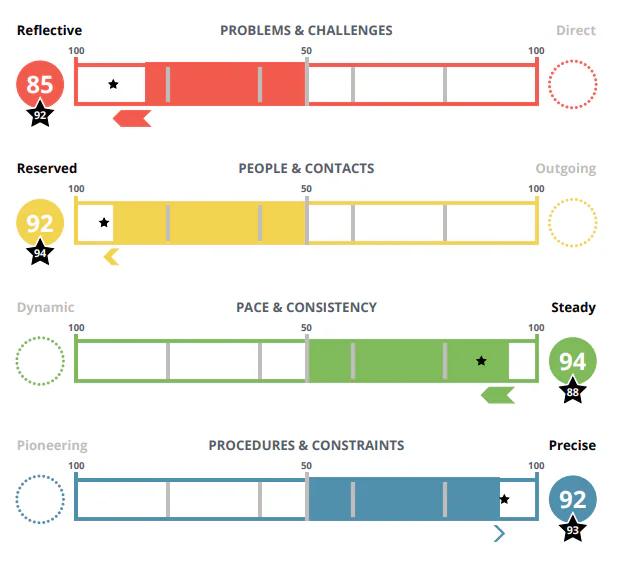
The adjacent continuum graph shows an example of leader, Bob Precision. Based on Jane’s talent survey, she classifies as an introvert in his approach to tasks. How so?
Bob’s chart also categories him as a people orientated introvert. How?
Based on the graph, it’s fair to categorize Bob as an introvert with both tasks and people. But that one-word categorization doesn’t tell us some important nuances about his approach. For example:
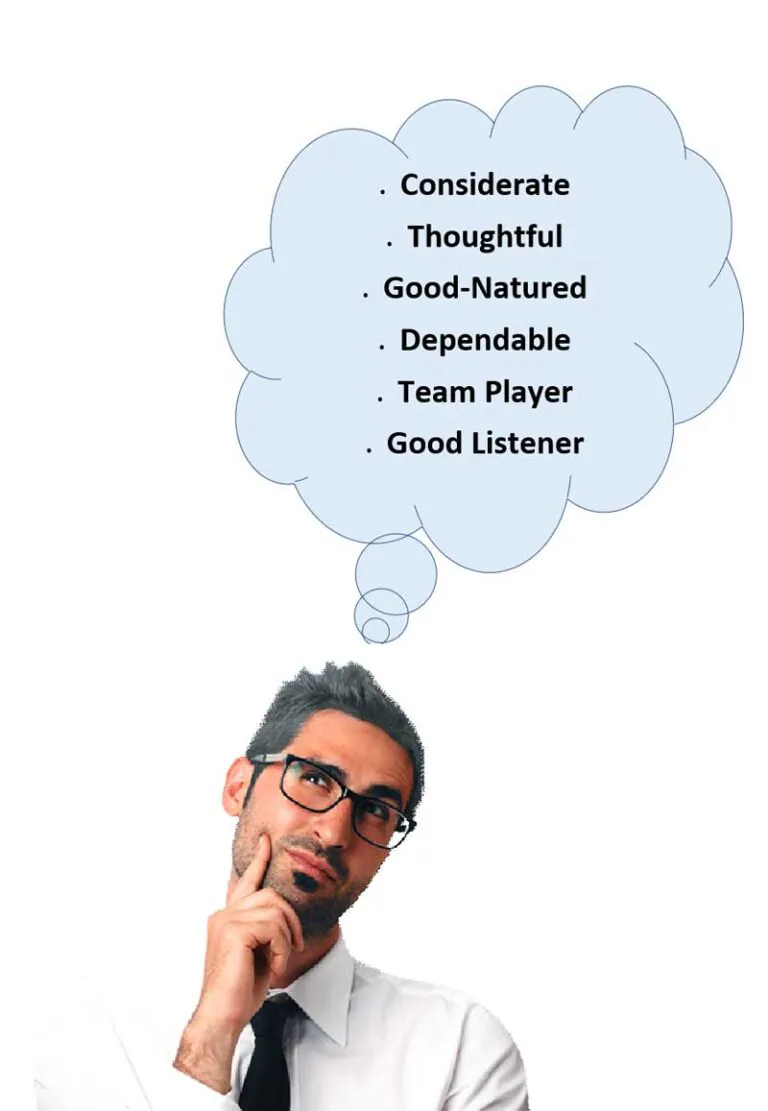
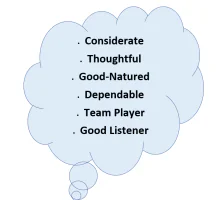
However Bob’s more assertive, fast paced co-workers likely have much different perspectives and perceptions about his reflective, analytic ways.
While Bob’s thoughtful, reflective, analytic style works well with those wired like him, others with more introverted styles. From both a task and people perspective, the extroverts in Bob’s world can find him difficult to work with as the perceptions above reveal. Productivity and collaboration can suffer when stress misunderstanding prevails. How do these perceptions affect Bob’s ability to lead?
These are merely quick tips offered here as a sampling of a example profile. This is a surface level treatment of a detailed topic. Your scenario will certainly be different than Jane’s. There’s value in taking a more personal, deeper dive that happens with coaching. It paves the path for self discovery, self awareness and self-regulation. And for your ongoing leadership development.
The new continuum graph used in the case study is new innovation by our assessment partner, TTI Success Insights. They have turned DISC on its side for added insight into workplace behaviors. The continuum approach helps to avoid unproductive discussion about highs and lows with the four DISC categories.
Are you curious about what your Behavior Continuum looks like? If you take the Working From Home survey, your free report will be emailed to you directly. This report was the first to use the horizontal DISC graph. Sorry, this is no longer available.
By using our website, you agree to our use of cookies. Find out more information on how we use cookies, view our privacy policy.